Boating basics
Boating Rules and Etiquette on the Amsterdam Canals
The canals are a working waterway as much as a playground. A handful of rules keep everyone safe, and keep you welcome on the water.
Whether you have hired a licence-free electric boat or brought your own, the same basic rules apply on the Amsterdam canals. None of them are complicated, but they matter most exactly when the water is busiest, on event days.
Speed, right of way and keeping right
Keep to the right, and keep your speed down: there are limits on the canals and the wash from going too fast damages moored boats and banks. Larger vessels, working boats and public transport boats have priority, give them room and cross behind them, not in front. At blind corners, ease off and signal your presence.
Mooring and the event stretches
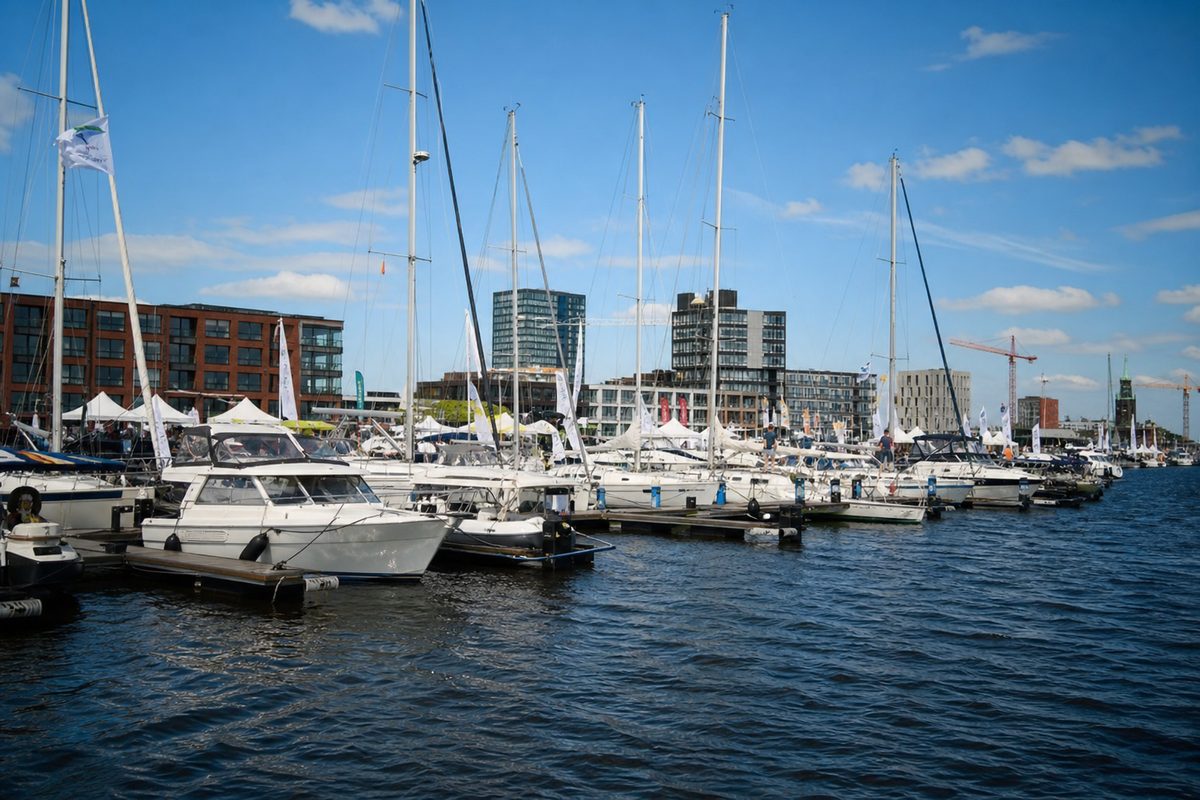
Moor only where it is allowed, never blocking bridges, junctions or other boats' exits. On event days this is the rule people break most: for the Prinsengrachtconcert boats raft together many deep, so tie up considerately and leave a way out for others. The same courtesy applies at the Spiegelconcert and along the Canal Parade route.
Alcohol, lights and safety
Whoever is steering is held to alcohol limits just like a driver, swap skippers rather than risk it. After dark, carry the correct lights. Keep life jackets aboard, especially with children, and keep the passenger count to what the boat is rated for. Bag your rubbish and take it with you; the canals are cleaner than they were, and it stays that way because people carry out what they bring in.
Courtesy that keeps you welcome
People live on the water here. Keep music at a considerate level near houseboats, slow down past terraces and swimmers, and wave working crews through. Good manners on the water are what keep the canals open and friendly for everyone who comes after you.
If something goes wrong
Most trips pass without incident, but know the basics before you cast off. If the motor cuts out, drift to the side and moor rather than blocking the channel. In a minor bump, exchange details calmly as you would on the road; the rental dock will brief you on who to call. Keep the emergency number to hand and note your rough location by the nearest bridge or canal name, since addresses mean little on the water. Above all, do not overload the boat or stand up suddenly in a small one, most canal mishaps are simple losses of balance, not collisions.
Seasonal and event-day sense
The rules stay the same all year, but how much they matter shifts with the seasons. Summer weekends and warm evenings bring the canals to their busiest, and the events multiply the traffic again: on the days of the free concerts and the parades, the water fills with boats rafted many deep. That is exactly when courtesy counts most, keep your speed down so your wash does not rock the moored crowd, leave a clear channel for others to pass, and never block a bridge or junction while you wait for a spot.
Winter is the opposite: quieter, colder and darker earlier, so lights matter more and the few other boats out deserve extra room. Whatever the season, plan the trip home as carefully as the way out, returning across busy or dark water always takes longer than it looks, and a tired, cold crew makes mistakes. If you are new to the canals, avoid your first outing landing on a major event day, when the traffic and the tight mooring are more than a beginner needs. Read the event pages so you know which weekends to treat with extra care.
Finally, treat the briefing at the rental dock as the most useful few minutes of the day. Staff know the local quirks, which bridges are awkward, where mooring is tight and how the traffic runs on a busy weekend, and a quick question before you leave saves trouble later. The rules on the canals are mostly common sense, but local knowledge is what turns a cautious first trip into a confident one.
Sharing the water with bigger traffic
The canals are a working waterway as well as a playground, and a small rented boat is near the bottom of the pecking order. Tour boats, freight and service craft, police and the occasional larger vessel all use the same water, and they are less manoeuvrable than you are, so the rule is simple: give way, keep clear, and never assume a big boat can stop or turn for you. On the open water of the IJ this matters most of all, where ferries run frequent, fixed routes across busy water and treat it as the shipping lane it is; that is no place for a first-timer to wander, and even confident boaters keep well clear of the ferry crossings.
In the narrower canals the pressure comes from tour boats, which run long, wide and to a schedule. Let them pass, do not try to squeeze alongside, and be ready for the wash of a larger boat to push you around. Treating every craft bigger than yours as having priority is not just courtesy, it is the safest habit on water where a misjudged gap can end in a scrape or worse.
Bridges, clearance and blind corners
The bridges are part of the charm and part of the challenge. Many central canal bridges are low, so slow right down and check your clearance before you commit, especially with a canopy up or passengers standing. Approaches are often blind, with a bridge or a moored line of boats hiding what is coming the other way, so ease off, keep right, and sound a warning if you cannot see round a corner. A boat coming under a bridge toward you has the awkward job of judging the same gap, so patience at the pinch points keeps everyone moving and undamaged.
Junctions where canals cross work on the same principle as the roads: slow down, look, give way to the right, and do not force a gap. In the busy centre the water can feel as congested as the streets above it on a summer afternoon, and the boats that get through smoothly are the ones that take it gently rather than the ones in a hurry.
The local way of doing things
Beyond the formal rules there is an etiquette that keeps you welcome on the water. Keep your wake down past moored boats and houseboats, which are people's homes; keep the music at a level that stays on your own boat; and take your litter with you rather than leaving it on the water or the quay. When you raft up at an event, tie on considerately and leave others room to come and go. None of this is written on a sign, but it is what separates a boater the regulars are glad to share the canals with from one they are not.
Above all, read the water and the mood. On a quiet weekday the canals are forgiving; on a packed event day they demand more patience and more care. Adjust to the conditions, err on the side of slow and considerate, and the water rewards you with one of the best ways there is to experience the city.
Keeping it simple
For all the detail, the rules of the Amsterdam water come down to a handful of habits: go slow, keep right, give way to anything bigger, mind the moored boats and homes, and do not drink and steer. Master those and you will be a considerate, safe presence on the canals without needing to memorise a rulebook. Everything else, the courtesies, the event-day sense, the bridge etiquette, follows naturally from taking it gently and paying attention to what is around you.
The reward for getting it right is simple too: a welcome on the water and the city seen at its best. The regulars, the tour skippers and the houseboat residents all share the canals with visitors happily enough, provided those visitors treat the water with a little respect. Do that, and a day on the Amsterdam canals is about as easy and as pleasant as boating gets, which is exactly why so much of the city's summer happens afloat. Learn the basics once and they stay with you for every trip that follows, on the canals here and on the water anywhere else.
Is there a speed limit on the canals?
Yes. Speed is limited and excessive wash is an offence because it damages moored boats and banks. Keep it slow, especially near moorings.
Who has right of way?
Larger vessels, working boats and public transport boats have priority. Keep right and cross behind them.
Can I drink while boating?
The person steering is held to alcohol limits like a driver. Swap skippers if needed.
Where can I moor?
Only in permitted spots, never blocking bridges, junctions or other boats, and considerately on the busy event stretches.